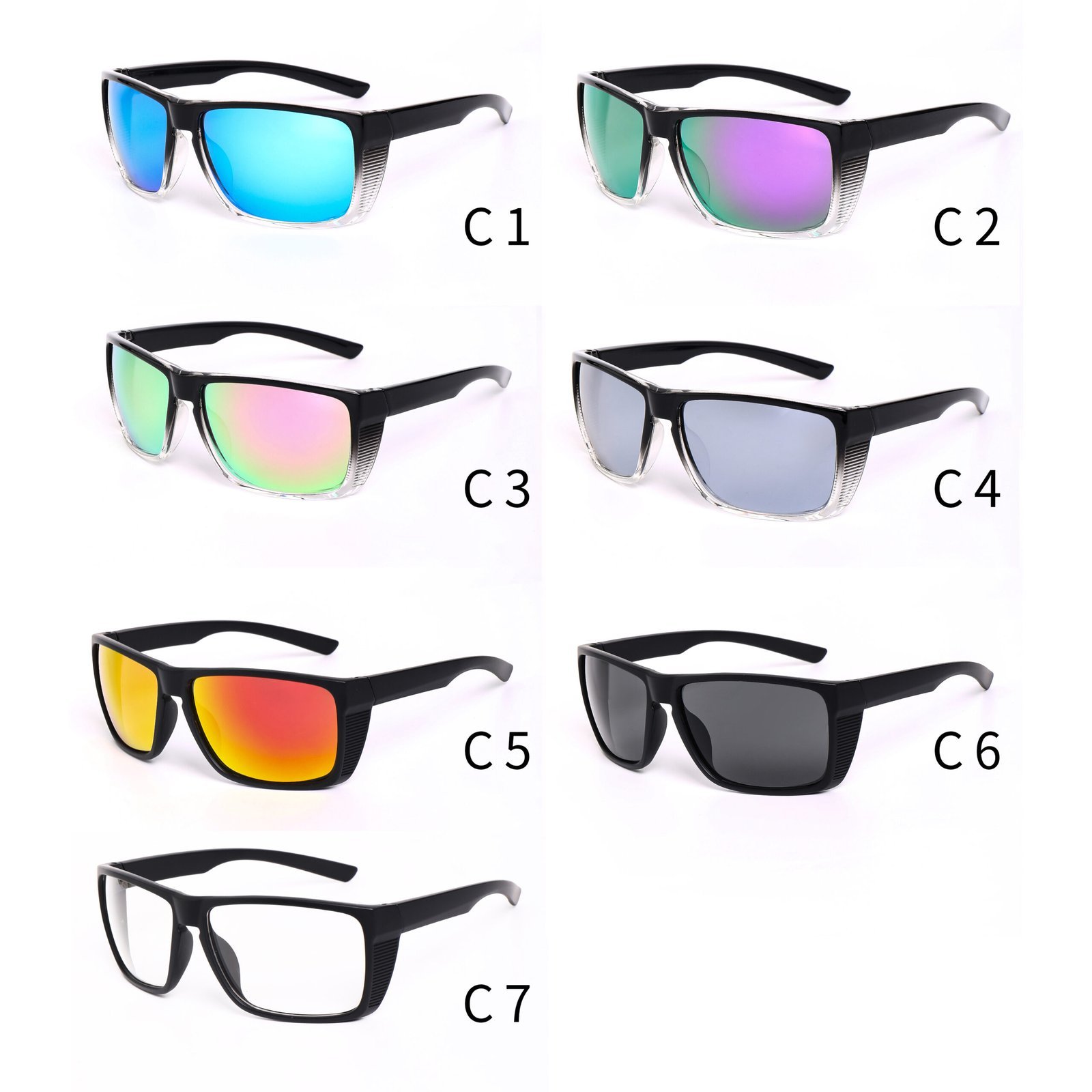
| Feature | Specification |
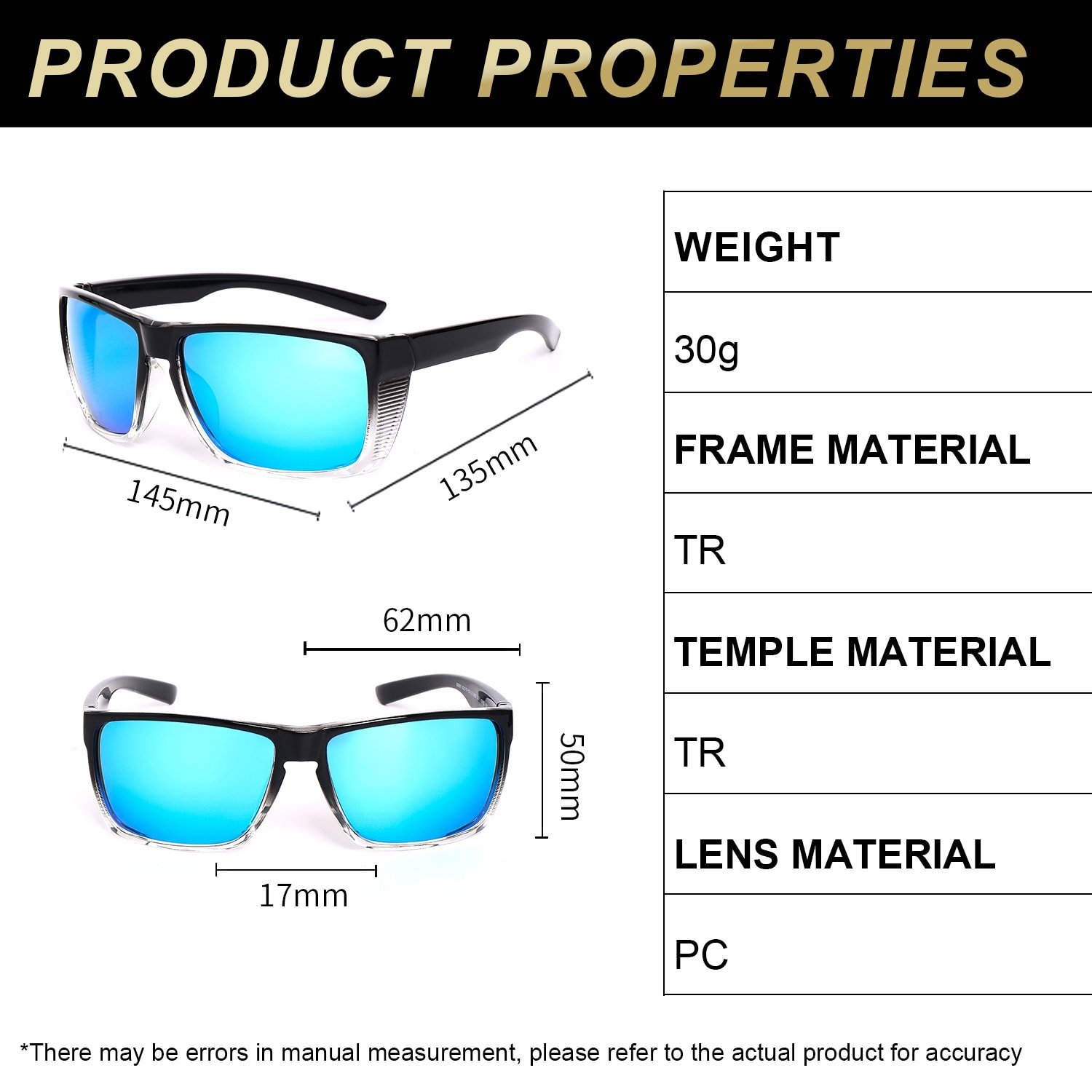
| Product Type | Safety Goggles ANSI Z87 |
| Frame Design | Classic Square |
| Lens Material | Polycarbonate (PC) |
| Frame Material | TR90 – High-Impact Resistant |
| Safety Standards | ANSI Z87.1, CE, AS/NZS 1337.1, CSA Z94.3 |
| UV Protection | UV400 (100% UVA/UVB Protection) |
| Customization | Custom Logo (7-Day Turnaround) |
| Target Market | Construction, engineering sites, manufacturing and machinery processing |
Are you tired of dealing with PPE returns caused by heavy, uncomfortable frames that workers refuse to wear, or worse—distributors rejecting your shipments due to unverified safety compliance? In the industrial safety market, uncompromising protection and all-day comfort are not optional; they are the baseline for securing repeat B2B contracts.
Our safety goggles ANSI Z87.1 compliant series directly solves these market pain points. By combining aerospace-grade TR90 frames with shatterproof Polycarbonate (PC) lenses, we deliver a protective solution that guarantees compliance across global markets while maximizing your profit margins.
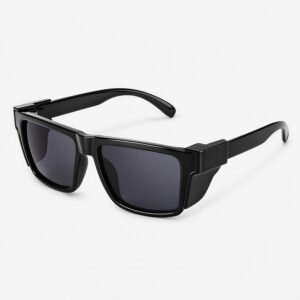
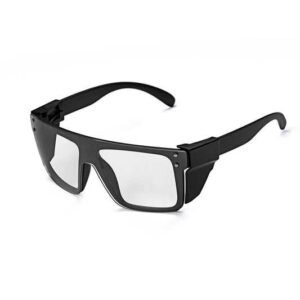
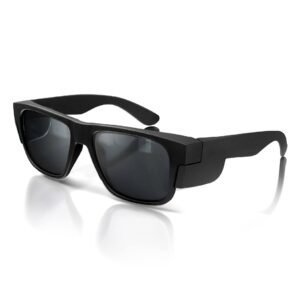
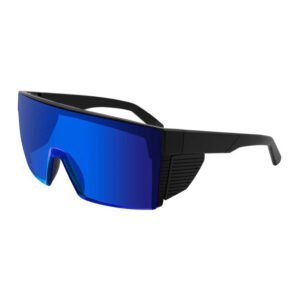
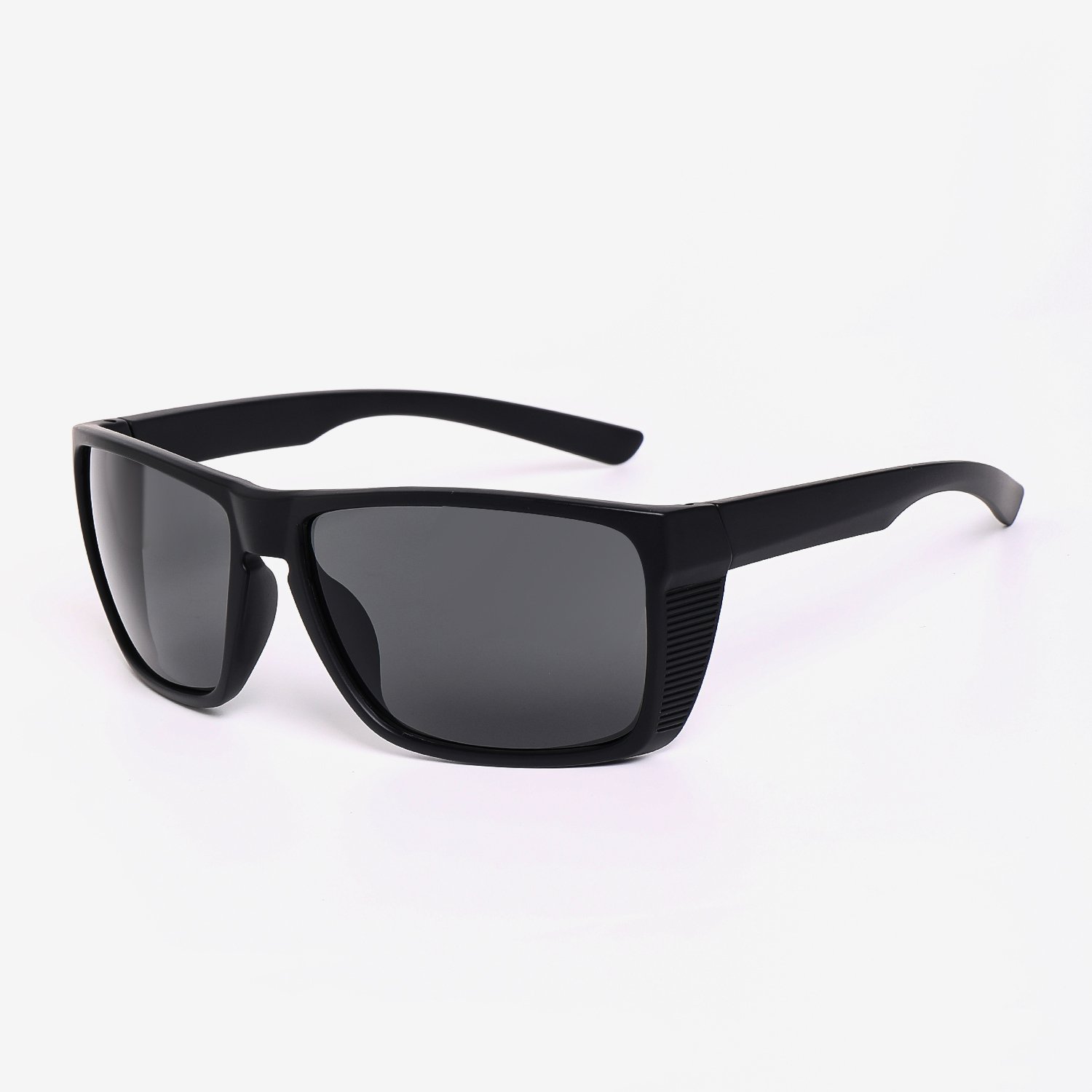
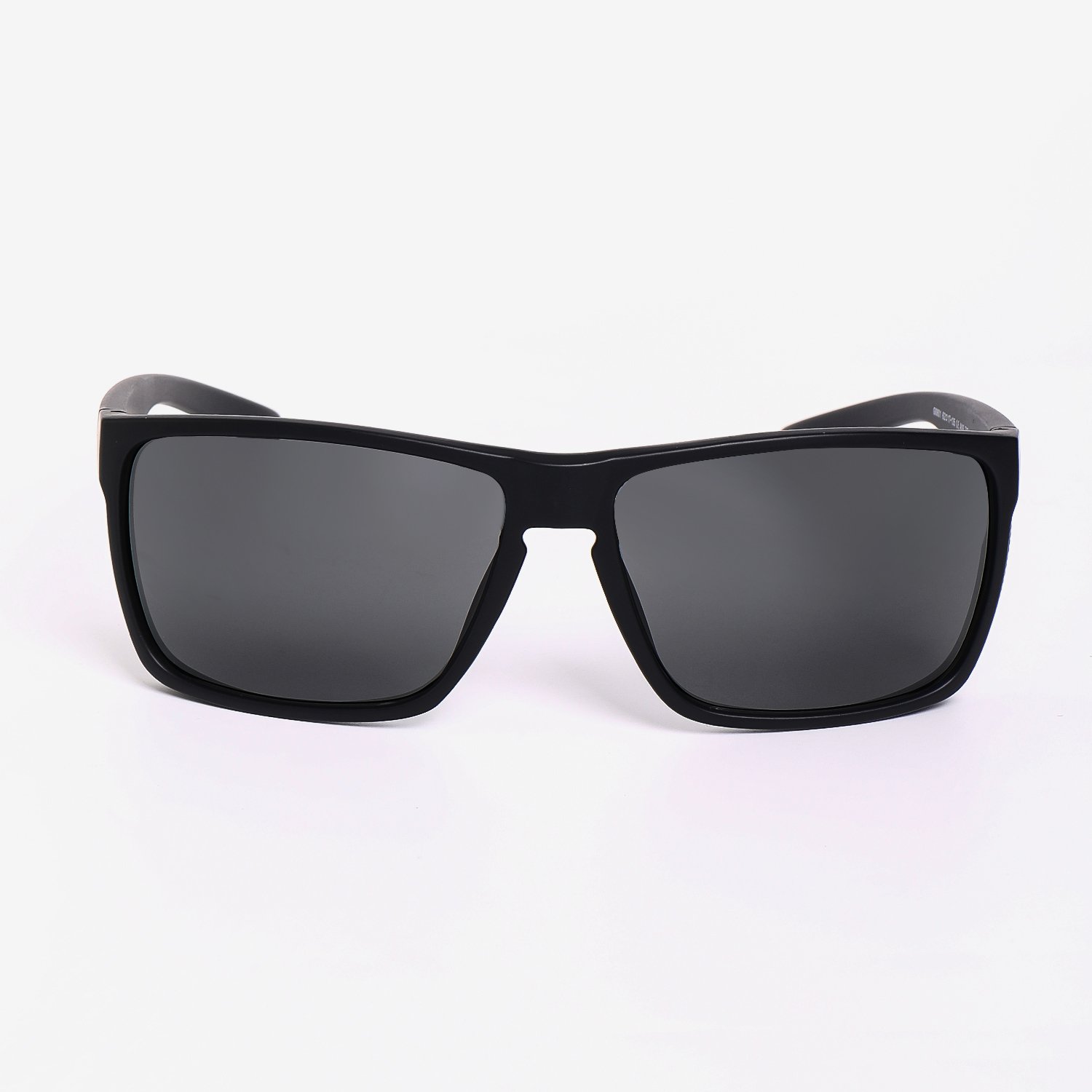
The frame has a rectangular lens shape, a slightly curved front profile, and extended outer corners that increase lateral coverage. Ribbed sections near the temples visually strengthen the side area while giving the model a more technical appearance.
Unlike standard flat-front work glasses, the wraparound structure places the lenses closer to the sides of the face. This helps reduce exposed gaps around the outer eye area and makes the model suitable for general industrial work, warehouse operations, construction supply ranges, maintenance programs, and outdoor jobsite use.
However, it is not a sealed goggle.
There is no foam seal between the frame and the wearer’s face, and the temple design leaves normal airflow around the lenses. Buyers should therefore avoid positioning it as protection against fine airborne dust, liquid splash, hazardous vapour, or other risks that require sealed protection.
Commercially, this structure sits between basic transparent safety spectacles and bulky industrial goggles. The black frame and grey lenses give it a cleaner, more consumer-oriented look, making it easier to sell through hardware stores, workwear retailers, industrial distributors, and private-label safety brands.
TR90 is used to keep the frame relatively light while allowing controlled flexibility around the front and temples. This can improve comfort for workers who need to wear protective eyewear for several hours.
For importers, lower frame weight also has two practical benefits:
First, the product feels less bulky than traditional heavy-duty goggles, supporting a broader retail audience. Second, a flexible frame can better tolerate normal handling during packing, transportation, display, and daily use.
Material selection alone does not guarantee durability. Resin grade, injection temperature, frame thickness, hinge assembly, and cooling control all influence the final result. For this reason, production inspection should focus on frame symmetry, unwanted deformation, surface stress marks, and temple opening resistance rather than simply confirming that the material is called TR90.
PC lenses are commonly selected for occupational eyewear because they combine low weight with impact resistance. In this model, the relatively large rectangular lenses provide practical frontal coverage without making the product look like a laboratory goggle.
The grey tint is useful for bright outdoor environments, but lens darkness must not be presented as proof of UV protection. Tint category, ultraviolet transmission, visible-light transmission, impact classification, and traffic-signal recognition should be confirmed through the corresponding test report for the exact lens version being ordered.
Changing the tint, coating, lens thickness, or supplier can affect the approved configuration. Customized versions may therefore require additional verification before they are sold under the same performance claim.
We don’t just print standard logos on the temples; we engineer our eyewear to survive rigorous kinetic testing. Our safety glasses are fully compliant with ANSI Z87.1 (USA), AS/NZS 1337.1 (Australia/New Zealand), and CSA Z94.3 (Canada). Here is exactly what those certifications mean for your buyers’ safety audits:
High-Mass Impact Verification: The frames and lenses withstand a 500-gram pointed steel projectile dropped from a height of 50 inches. This guarantees that a dropped tool on a construction site will not penetrate the lens.
High-Velocity Impact Resistance: The eyewear survives a 1/4-inch steel ball fired at 150 feet per second. This ensures that shrapnel from a lathe or grinder will be deflected without shattering the PC lens into the wearer’s eye.
By detailing these specific test conditions, you give your purchasing managers the verifiable data they need to approve you as a registered vendor.
Whether you need to test the market quickly or launch a fully proprietary product line, we offer tiered customization depths:
Ideal for: Immediate retail stocking, testing new markets.
Details: Standard matte black TR90 frames with your logo pad-printed on the temples. Standard clear or smoke PC lenses.
Advantage: Low MOQ, fast turnaround (typically 7–15 days), allowing you to capitalize on immediate seasonal demands.
Ideal for: Established PPE brands requiring visual differentiation.
Details: Custom Pantone color matching for the TR90 frame (e.g., High-Vis Yellow or Safety Orange). Custom anti-fog or anti-scratch lens coatings. Customized packaging and EVA cases.
Advantage: Moderate MOQ, standard lead time (approx. 30 days). Elevates your brand identity to avoid direct price wars with generic competitors.
Ideal for: Leading industry players wanting a patented structural design.
Details: You provide the concept or 3D drawings; we open a new mold for a unique frame or side-shield design exclusively for your brand.
Advantage: Absolute market exclusivity. 45-60 day development cycle.
Instead of offering a general promise that every shipment is “completely worry-free,” our inspection process checks specific points that affect claims, returns, and user experience:
Inspection criteria can also be aligned with your approved sample, specification sheet, defect limits, and third-party inspection requirements.
Send us your target country, expected order quantity, required standard, logo file, packaging plan, and preferred launch date. We will recommend three practical options: stock private label, light customization, or full OEM/ODM development.
Contact us through WhatsApp to request samples, review the available test documents, and receive a quotation matched to your budget and market schedule.