In the competitive eyewear market, your product isn’t just the glasses—it’s the entire unboxing experience. Custom sunglasses cases perform a triple duty: they protect your inventory from damage, significantly extend your brand’s reach, and justify a higher price point to your customers.
Whether you are a boutique retailer or a large-scale wholesaler, choosing the right packaging is a strategic business decision. A thoughtfully designed case can reduce return rates caused by shipping damage and create social-media-worthy unboxing moments.
Here is everything you need to know before placing your bulk order.
1. Why Invest in Custom Eyewear Packaging?
Before diving into materials, it is crucial to understand the ROI of high-quality packaging.
-
Reduce Returns: Damaged lenses during transit are a retailer’s nightmare. A sturdy case acts as an insurance policy for your product.
-
Brand Visibility: Your customers might wear their sunglasses only on sunny days, but the case often stays in their bag, car, or desk daily. A branded case generates repeat impressions.
-
Perceived Value: Premium packaging allows you to position your eyewear as a luxury or high-end product, supporting better profit margins.
2. Materials & Styles: Choosing the Right Level of Protection
Not all cases are created equal. Your choice should depend on your brand identity and the fragility of your frames.
Hard Shell / EVA Cases
-
Best For: Premium eyewear, sports sunglasses, and fragile frames.
-
Pros: Maximum impact protection. EVA (Ethylene Vinyl Acetate) is lightweight yet durable.
-
Finish: Can be coated in PU leather or fabric for a high-end look.
Microfiber Pouches
-
Best For: Budget-friendly lines, giveaways, and casual styles.
-
Pros: Extremely cost-effective and lightweight (saves on shipping).
-
Bonus: The fabric doubles as a lens cleaning cloth, adding utility for the user.
Leatherette & PU Folding Cases
-
Best For: Fashion-forward brands and optical frames.
-
Pros: Sophisticated aesthetic. Foldable designs save storage space when not in use.
Eco-Friendly Options (Cardboard / Cork)
-
Best For: Sustainable and eco-conscious fashion labels.
-
Pros: Recyclable materials appeal to environmentally aware consumers.
Pro Tip: Don’t forget the interior. A soft microfiber or felt lining is non-negotiable to prevent lens scratches inside the case.
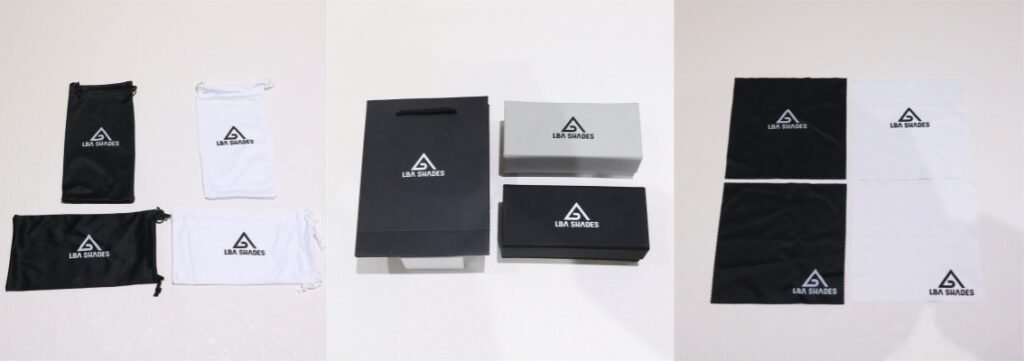
3. Customization Options: Make It Yours
Generic cases get lost; custom cases get remembered. Tailor your packaging to match your brand DNA.
-
Logo Printing: Full-color printing works best for vibrant, patterned designs.
-
Foil Stamping / Hot Stamp: Gold or silver metallic logos create a luxury, premium feel instantly.
-
Embossing / Debossing: A subtle, tactile approach where the logo is pressed into the material. Ideal for leather and PU cases.
-
Color Matching: We can Pantone-match the case material to your brand colors or specific frame collections.
Recommendation: Always request digital mockups before production to verify logo size and placement.
4. Sizing and Fit: The Overlooked Detail
A “one-size-fits-all” approach can be risky.
-
Too Loose: The glasses rattle around, increasing the risk of scuffs.
-
Too Tight: The case puts pressure on the hinges or lenses, causing warping.
Solution: Measure your sunglasses carefully (Total Width, Temple Fold Height, and Lens Depth). Providing us with a physical sample frame is the safest way to ensure a perfect fit. If you carry various sizes, we can help you map which case SKUs fit which frame models.
5. MOQs, Pricing & Lead Times
Understanding the economics of bulk packaging helps you plan your inventory.
-
Microfiber Pouches: generally have lower Minimum Order Quantities (MOQs), often starting at 100+ pieces.
-
Hard Cases & Custom Molds: typically require higher MOQs (e.g., 500+ pieces) due to setup costs.
-
Hidden Costs: Be aware of potential tooling fees for custom shapes or setup fees for complex artwork.
Lead Times: Always factor in 2-4 weeks for production plus shipping time. Order your packaging before your eyewear production finishes to avoid delays.
6. Quality Control & Sampling
Never skip the sample phase.
-
Pre-Production Sample: Confirm the material feel, logo clarity, and closure mechanism (zipper/snap/magnet).
-
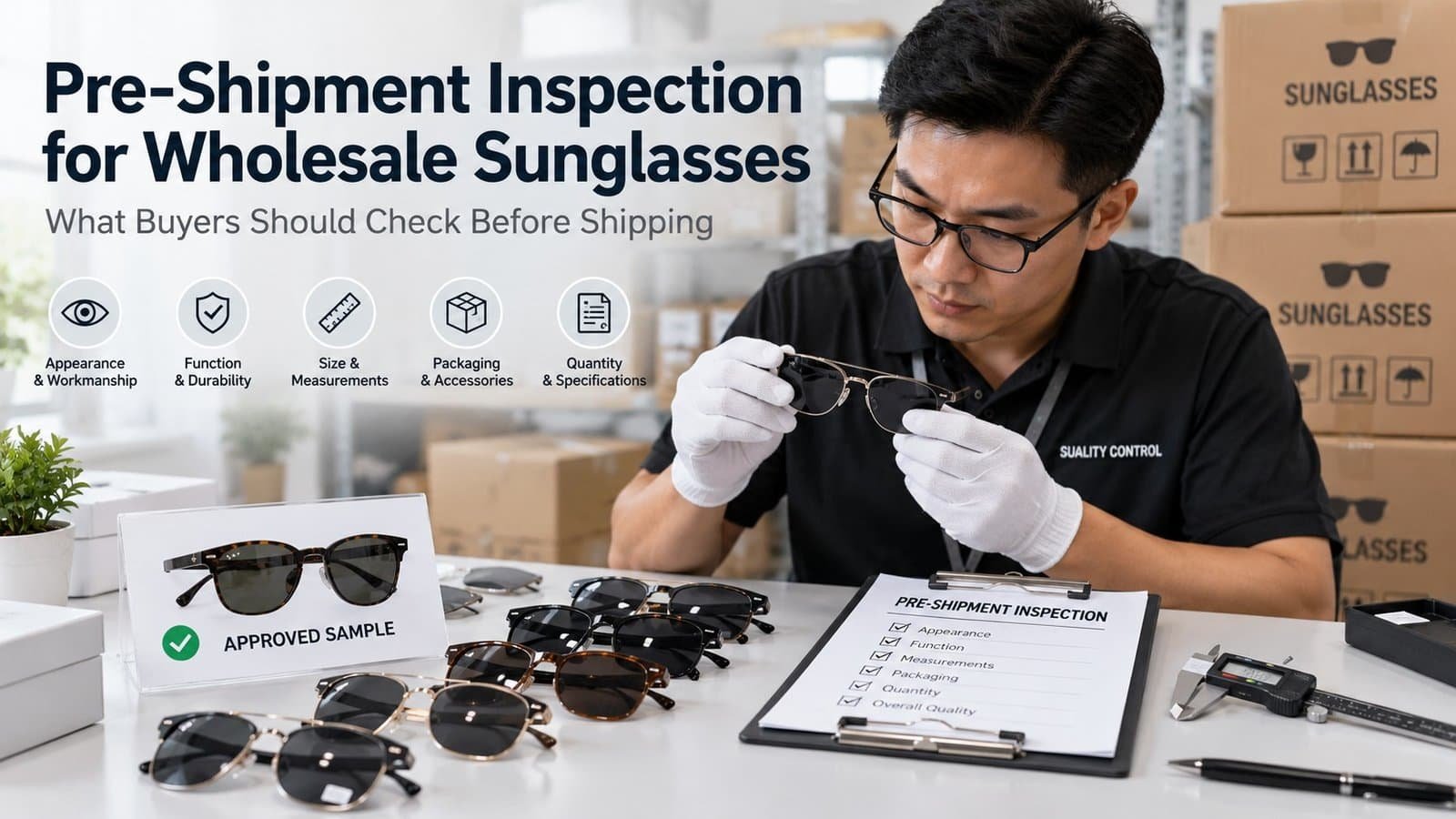
Bulk Inspection: For large orders, establish inspection standards. Check for loose threads, glue marks, or color deviation.
7. Strategic Shipping & Packaging
How your cases are shipped to you matters.
-
Nested Shipping: Putting smaller cases inside larger ones (or folding cases flat) to save massive amounts of volume—and freight costs.
-
Retail-Ready: If you ship directly to consumers, consider having cases pre-packed in individual polybags or gift boxes to speed up your fulfillment process.
Ready to upgrade your eyewear packaging? Contact Us Today to get a quote, request samples, or discuss your custom design ideas. Let’s build a case that builds your brand.
FAQs
Q: How many case designs should I start with?
A: We recommend starting with 2–4 core styles that accommodate your best-selling frames. You can expand your packaging line as your SKUs grow.
Q: Where should I place my logo?
A: Common placements are the front center (maximum visibility) or the inside flap (subtle elegance). Consider how the case looks when displayed on a retail shelf.
Q: Can I mix materials in a single order?
A: Yes, mixed orders are possible, though they may require meeting the MOQ for each specific material type.