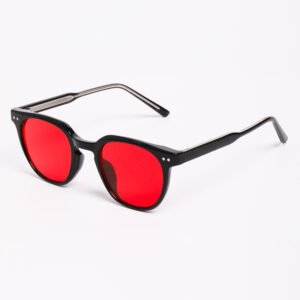
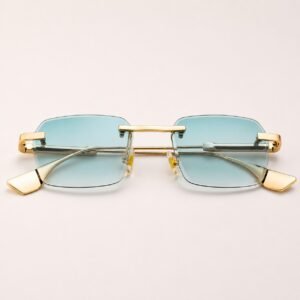
In the competitive world of eyewear retail, standing out requires more than just stylish frames; it requires functionality that solves real-world problems for the end consumer. As a retailer or distributor, you have likely heard the buzz, but what are photochromic sunglasses technology really, and why is it becoming a staple in modern optical inventories?
Far from being a mere gimmick, photochromic lenses (often referred to generically by the brand name “Transitions”) represent a significant leap in optical chemistry. For the wholesale buyer, understanding this technology is the key to unlocking a higher average order value and satisfying a customer base that demands versatility.
From a manufacturing perspective, photochromic lenses are available in:
Optical lenses (prescription & plano)
Sunglass lenses
Safety and sports eyewear lenses
What Are Photochromic Lenses?
At its core, a photochromic lens is a lens that automatically adjusts its tint level based on the intensity of ultraviolet (UV) light exposure. In the absence of UV light (indoors), the lenses remain clear or nearly clear. When exposed to direct sunlight, they darken rapidly to act as sunglasses.
Manufacturing Methods
There are two main production techniques:
In-mass (embedded) photochromic lenses
Pigments are integrated directly into the lens material.
More durable
Better for sports and long-term useSurface-applied photochromic coatings
Photochromic layers are applied to the lens surface.
More cost-efficient
Suitable for fashion eyewear
Environmental factors such as temperature, lens thickness, and base material affect activation speed and darkness level—key points wholesale buyers should understand when specifying products.

How Do They Work?
To explain photochromic sunglasses technology to your customers, we must look at the molecular level. Modern plastic photochromic lenses rely on organic carbon-based molecules, typically naphthopyrans.
The Resting State: Indoors, these molecules sit in a “closed” structure, allowing visible light to pass through without obstruction. This makes the lens appear clear.
The Reaction: When struck by high-energy UV radiation (specifically UVA), the chemical bonds within these molecules break temporarily. This causes the molecules to physically change shape and “open up.”
Light Blocking: This new molecular structure absorbs visible light, causing the lens to darken. The stronger the UV radiation, the more molecules react, and the darker the lens becomes.
The Reversal: When the source of UV is removed, the molecules naturally snap back to their original, closed state, and the lens clears up.
Deep Dive Note: It is important to note that this reaction is temperature-dependent. Photochromic lenses actually get darker in cold weather because the heat energy in hot weather causes the molecules to revert to their clear state faster than UV can darken them. This is a crucial detail for buyers in different climates.
Why Consumers Want Them?
When answering “what is photochromic sunglasses used for,” the answer is simple: Convenience.
Daily Commuting: For users who move between subway stations, offices, and sunny streets, these lenses eliminate the need to carry two pairs of glasses.
Outdoor Sports: Cyclists and runners benefit immensely. Running through a shaded forest into an open field requires instant vision adaptation, which these lenses provide.
- Safety & Industrial Eyewear: Workers transitioning between indoor and outdoor job sites gain eye protection without changing eyewear.
Why Stock Photochromic Sunglasses?
For our B2B partners at LBAshades, incorporating photochromic options is a strategic business move. Here is why adding these to your catalog increases profitability:
1. Higher Perceived Value
A standard pair of sunglasses is a static accessory. A pair of photochromic glasses is a piece of technology. This allows retailers to command a higher price point and better profit margins compared to standard tinted lenses.
2. Inventory Efficiency
Instead of stocking a massive volume of clear prescription glasses and separate prescription sunglasses, photochromic lenses offer a “2-in-1” solution. This appeals to minimalists and budget-conscious consumers who want one high-quality frame that does it all.
3. Year-Round Appeal
Unlike dark polarized sunglasses which see a sales dip in winter, photochromic eyewear sells year-round. Since they are clear indoors, they are purchased as primary eyewear, not just seasonal accessories.
The Limitations: Reaction Time
While darkening takes less than a minute, clearing up can take slightly longer (3 to 5 minutes) when walking indoors from the cold.
Higher cost than standard lenses: Especially for embedded pigment or specialized photochromic formulas.
Partner with LBAshades for Custom Solutions
Now that you understand the technology, the next step is sourcing.
At Eyewear Suppliers, we are not just a trading company; we are the factory. This distinction is vital for your profit margins and brand identity. We understand that in the current market, “off-the-shelf” isn’t always enough.
Why Choose Us?
Full Customization: We don’t just offer standard frames. We can install high-quality photochromic lenses into any frame style you choose from our catalog—be it acetate, metal, or TR90.
Quality Control: We oversee the bonding process of the photochromic layer to ensure longevity and rapid transition speeds.
Flexible MOQs: We understand the risks of trying new product lines. We offer flexible Minimum Order Quantities (MOQ) to help you test the market with photochromic collections without overcommitting capital.
Whether you are looking to launch a sports performance line or a luxury urban collection, our team is ready to engineer the perfect light-adaptive eyewear for your brand.
Ready to upgrade your inventory? Explore our [Collection] or [Contact Us] today to discuss adding custom photochromic lenses to your next order.