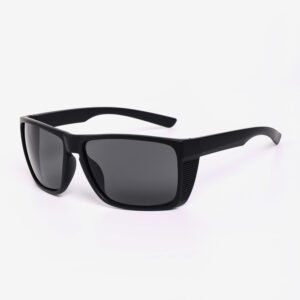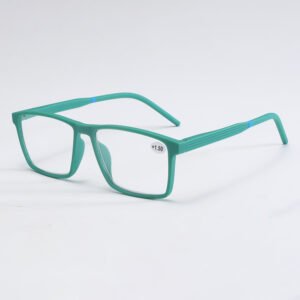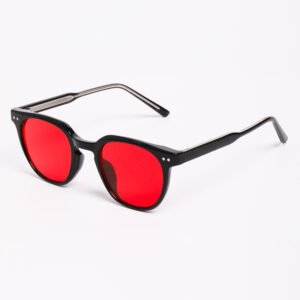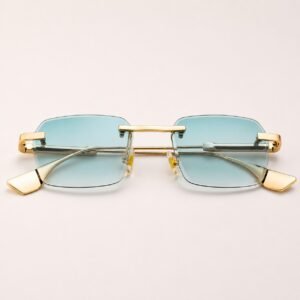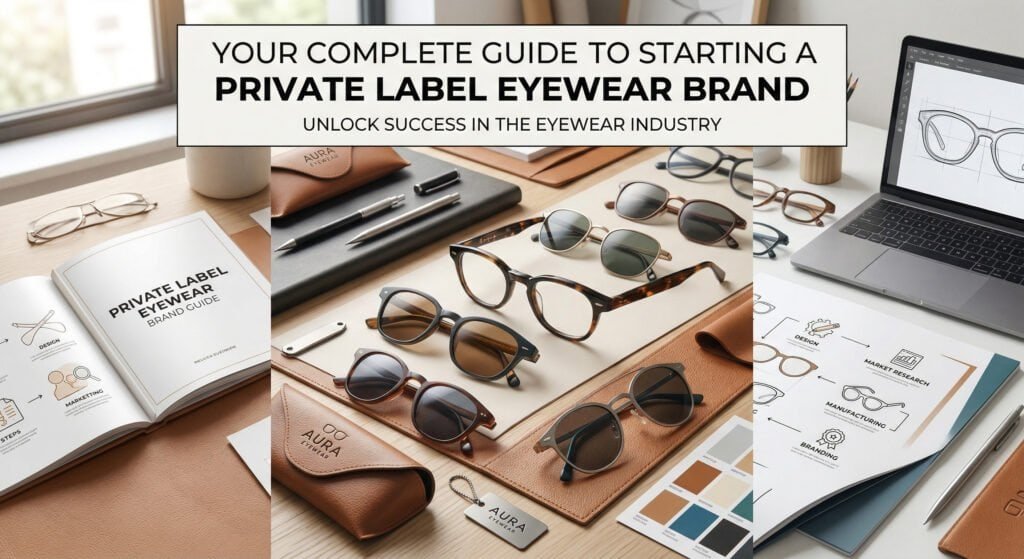
Imagine this: You’ve spent months building a customer base, meticulously crafting the perfect aesthetic for your boutique, and researching the latest fashion trends. You know exactly what kind of sunglasses your customers want. But when it comes time to actually start production, you hit a roadblock.
Do you really need to lease a 10,000-square-foot facility, purchase millions of dollars’ worth of CNC machinery, and hire a small army of technicians just to have your logo printed on a pair of high-quality acetate frames?
Absolutely not.
In today’s highly optimized global supply chain, launching a private label eyewear line is the smartest and most cost-effective way to build a brand. Whether you are an established European retail chain looking to boost your profit margins, or an innovative U.S. startup aiming to disrupt the optical market, you don’t need to build a factory yourself to achieve success.
In this comprehensive guide, we will walk you through how the private label eyewear industry works, how to avoid the catastrophic mistakes that can cost a new brand tens of thousands of dollars, and how to partner with top-tier B2B eyewear manufacturers to scale your business.
Can You Really Build an Eyewear Brand Without a Factory?
The short answer is:
Yes, absolutely.
In fact, it is the industry standard.
Take a close look at some of the most successful direct-to-consumer (DTC) eyewear brands and boutique labels on the market today, and you will find that they employ an outsourced manufacturing model. Brands such as Warby Parker, Gentle Monster, and Quay Australia do not manufacture their frames in-house; instead, they rely on specialized OEM (Original Equipment Manufacturer) and ODM (Original Design Manufacturer) partners to bring their designs and brand visions to life.
Think about the capital required to set up an eyewear factory. You would need:
Multi-axis CNC routing machines for acetate cutting.
Injection molding machines for TR90 and PC (Polycarbonate) frames.
High-temperature electroplating vats for metal frames.
Tumbling barrels for the 30-day polishing process required for premium acetate.
A dedicated workforce of engineers, quality control (QC) inspectors, and assembly line workers.
Sinking $500,000+ into factory overhead before you’ve even tested your product in the market is a recipe for disaster. By utilizing a private label strategy, you bypass this immense capital expenditure. You instantly gain access to decades of manufacturing expertise, allowing you to focus 100% of your energy and budget on what actually drives revenue: marketing, brand building, and sales.
What is a Private Label Eyewear Brand?
At its core, private label eyewear involves a manufacturer producing optical frames or sunglasses that are exclusively branded, packaged, and sold under your company’s name.
There are two primary pathways within the private label ecosystem:
1. White Label (Ready-to-Brand)
The manufacturer has a vast catalog of pre-designed, fully developed frames that have already been tested for market viability. You select the styles you like, and the manufacturer laser-engraves or pad-prints your logo on the temples, customizes the lens colors, and packages them in your branded cases.
The Benefit: Lightning-fast time to market. You can launch a brand in weeks, not months. Let your independent brand beat competitors to the summer market by a full month, locking in higher profit margins.
2. True Private Label / Custom OEM
You come to the manufacturer with your own unique tech packs, CAD designs, or physical reference samples. The factory builds custom molds or programs custom CNC routes specifically for your brand. No one else in the world will sell this exact frame.
The Benefit: Ultimate brand differentiation and IP (Intellectual Property) ownership. You control the exact curve of the browline, the specific Mazzucchelli acetate colorway, and the precise hinge hardware.
Why You Don’t Need a Factory to Start a Brand
If you are still on the fence about outsourcing your production, consider the tangible business advantages of partnering with an established eyewear supplier:
1. Risk Mitigation and Agility
Fashion trends shift rapidly. Today, chunky rectangular Y2K sunglasses might be flying off the shelves; tomorrow, minimalist titanium aviators might take over. If you own a factory, pivoting your entire assembly line is slow and costly. By using a private label eyewear manufacturer, you remain agile. You can test a small batch of a new design with a low Minimum Order Quantity (MOQ), see how your audience reacts, and scale up production only when the data proves it’s a winner.
2. Access to Premium Materials and “Value Shaping”
True premium eyewear isn’t just about the logo; it’s about the tactile feel of the materials. Without a factory, how do you source authentic Italian Mazzucchelli acetate?
Top-tier suppliers already have established supply chains with global material providers. Instead of negotiating raw material purchases in the tons, you leverage your manufacturer’s buying power.
Stop settling for cheap, brittle plastics. By partnering with the right supplier, you can proudly tell your customers: “Our frames are crafted from authentic Italian Mazzucchelli bio-acetate, derived from natural cotton and wood pulp—ensuring a warm, luxurious finish and an eco-friendly footprint.” This instantly elevates your brand’s perceived value and justifies a premium retail price.
3. Engineering and Technical Problem Solving
Are your customers constantly complaining about hinges breaking after a month of wear? This is a common pain point for cheap eyewear. Professional factories employ engineers who understand the structural integrity of a frame. They will advise you to upgrade to OBE reinforced hinges and conduct 10,000-cycle opening/closing stress tests before mass production. You get enterprise-level quality assurance without having to hire a single engineer.
How Does Private Label Eyewear Production Work?
Understanding the backend of the manufacturing process ensures you communicate like an industry veteran, commanding respect from your suppliers. Here is the standard B2B workflow:
Step 1: The Brief and Design Phase
You submit your requirements. This could be a professional CAD drawing, a 2D sketch, or even a competitor’s frame you want to modify (e.g., “I love this frame, but make the lens 2mm wider and use a tortoiseshell acetate”).
Step 2: Prototyping (7-15 Days)
The factory creates a physical prototype.
For acetate frames, they will hand-carve or use a CNC machine to cut the sample from a raw acetate block.
For TR90/PC frames, they may use 3D printing or a temporary soft mold for the initial check. You receive the sample, test the fit on various face shapes, and approve the design.
Step 3: Tooling and Molding (For Injection Plastics/Metal)
If you are ordering custom TR90 or PC frames, the factory must cut a steel mold. This is the most critical and expensive part of the process, usually taking 25-35 days. Precision is key here, as the mold dictates the final quality of tens of thousands of frames.
Step 4: Mass Production & Polishing
Once the design is locked, mass production begins. Let’s take acetate as an example, as it requires high craftsmanship:
Cutting: CNC machines cut the front frames and temples.
Tumbling: The rough frames are placed in rotating wooden barrels filled with wood chips and polishing pastes for 7 days. This is the secret to that high-end, glossy, seamless finish that cheap injection plastics can never replicate.
Assembly: Skilled workers manually install the core wires (the metal skeleton inside the temple), attach the hinges, and assemble the front and temples.
Lens Cutting and Fitting: CR39, Nylon, or Polarized TAC lenses are precision-cut and snapped into the frames.
Step 5: Strict Quality Control (QC)
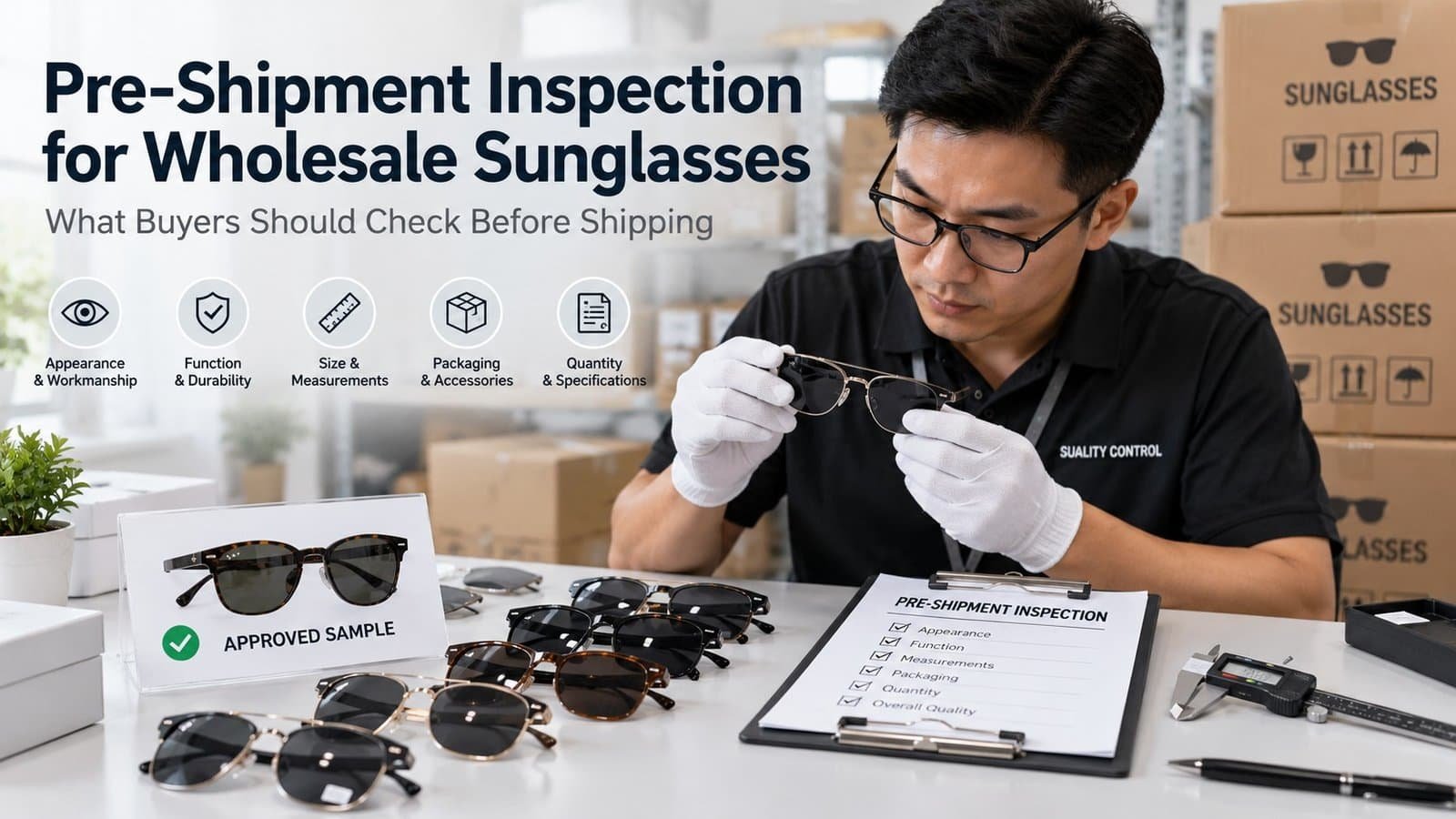
A reliable factory doesn’t just pack the boxes. They perform drop-ball tests for lens impact resistance, UV400 testing, alignment checks (ensuring the glasses sit flat on a table), and visual inspections for micro-scratches.
How to Choose the Right Private Label Eyewear Manufacturer
The internet is flooded with thousands of eyewear suppliers, but here is the harsh reality: not all of them have the capability—or the patience—to successfully support a private label project. Choosing the wrong partner doesn’t just mean delayed shipments; it means poor-quality hinges breaking in your customers’ hands and a ruined brand reputation. To avoid the nightmares of overseas sourcing, you need to understand exactly who you are dealing with.
Factory vs Trading Company vs Factory-Backed Trading Team
Here is a brief analysis:
Direct Factories: They offer great prices and massive scale. However, they are built for volume. They often lack English-speaking support, offer zero flexibility for packaging, and will completely ignore your inquiry if your MOQ isn’t in the thousands.
Trading Companies: They excel at communication and customer service, but they are essentially middlemen marking up products from unknown factories. They have limited control over production timelines and strict quality control (QC).
Factory-Backed Trade Teams (The Sweet Spot): This is exactly where partners like Yiwu Luba Eyewear sit. You get direct-to-factory pricing and production control, combined with a dedicated international service team that understands brand building, custom retail packaging, and complex export logistics. For brands that value both speed and premium quality, this is the ultimate choice.
5 Non-Negotiable Criteria for Your Supplier
Once you find a potential partner, look for these specific green flags:
1. Technical Expertise
Don’t just ask, “Can you make this?” Ask them technical questions. For example, ask how they prevent Mazzucchelli acetate frames from shrinking and warping over time. A true expert won’t just say “we use good plastic”—they will explain their specific curing and drying processes for the raw acetate sheets prior to CNC cutting.
2. True Private Label & Customization Capabilities
Not all suppliers understand the nuances of building a retail-ready brand. A professional supplier should smoothly guide you through:
Logo Application: Offering clear choices between laser engraving, pad printing, or premium gold foil stamping.
Retail Packaging: Can they supply custom rigid magnetic boxes, vegan leather pouches, microfiber cloths, and barcode hangtags? If they cannot provide templates or past examples of packaging, that is a massive red flag.
3. Scalable Minimum Order Quantities (MOQs)
If a supplier says, “We only do 3,000 pieces per SKU,” walk away. A reliable B2B partner protects your cash flow and grows with your brand by offering tiered solutions:
For Ready-to-Brand (White Label): MOQs as low as 50–100 pieces so you can safely test market trends.
For Custom OEM (Your unique design): A standard MOQ of 300 pieces per model (which can be split across 3 colors). This is the industry sweet spot that covers mold setup costs without bankrupting your startup.
4. Flawless, Transparent Communication
Cross-border manufacturing relies entirely on communication. If a supplier takes three days to reply to a simple WhatsApp message before you pay them, imagine the nightmare of trying to solve a production error later. You need a team that replies fast, answers clearly, and proactively points out design flaws before taking your deposit.
5. Export Compliance & Certifications
If you are importing into the US or the EU, your products must pass strict customs regulations. Ensure your manufacturer holds FDA registration, CE marks, and ISO 9001 certifications. Having your entire shipment seized at the border because the supplier couldn’t provide a simple Drop-Ball Test certificate for lens impact resistance is a mistake you cannot afford to make.
🚩 Immediate Red Flags to Avoid
When vetting suppliers, instantly walk away if you notice:
“We can do everything” — but they provide vague, contradictory answers when pressed for details.
No Sample Policy — or they are highly reluctant to show you physical examples of their past work.
Pushy Sales Tactics — pressuring you to wire a deposit without providing a clear, itemized production timeline.
Choosing a supplier isn’t just about buying a product; it’s about hiring a workflow partner. The right manufacturer will make scaling your brand feel effortless, while the wrong one will make it a daily struggle.
Where to Find Reliable Private Label Eyewear Manufacturers
Finding the right factory takes diligent research. Here are the most effective channels:
International Trade Shows: If you have the budget, attending global exhibitions like MIDO (Italy), Silmo (France), or the Hong Kong Optical Fair is invaluable. You can feel the product quality firsthand and look the factory owners in the eye.
B2B Platforms (Alibaba, Global Sources): These platforms are vast, but they are also crowded with trading companies posing as direct factories. You must filter rigorously. Look for “Verified Suppliers” and check their export history.
Direct Manufacturer Websites: Often, the best factories invest in their own independent websites to communicate directly with serious B2B buyers. Searching Google for highly specific terms like “Mazzucchelli acetate eyewear manufacturer OEM” or “TR90 sports sunglasses private label” will often yield specialized, high-quality factories that bypass platform fees.
Why choose Yiwu Luba Eyewear Co., Ltd. (LBAshades) (eyewear-suppliers.com)?
With over a decade of deep involvement in eyewear manufacturing and wholesale, we bridge the gap between world-class Chinese manufacturing and Western brand standards. We specialize in Mazzucchelli Acetate, TR90, and Metal frames. Whether you need reliable OEM/ODM services for your established European retail chain, or you’re an Amazon seller in the US looking for low-MOQ private label solutions, we provide transparent pricing, rigorous QC, and fast turnaround times.
FAQ: Frequently Asked Questions About Launching Private Label Eyewear Brand
1). Q: What is the standard MOQ for private label eyewear?
A: For custom designs (OEM) requiring new molds or CNC programming, the industry standard is typically 300 pieces per model, which can usually be divided into 3 different colorways (100 pieces per color). If you are simply adding your logo to existing ready-made frames (White Label), the MOQ can be as low as 50 to 100 pieces.
2). Q: How long does it take to manufacture a batch of custom sunglasses?
A: Lead times vary based on material.
Prototyping: 7-15 days.
Mass Production (TR90/PC): 35-45 days after prototype approval.
Mass Production (Acetate/Metal): 60-90 days due to the extensive hand-polishing, curing, and electroplating processes required.
3). Q: Can I request sustainable or eco-friendly materials?
A: Yes! Sustainability is a massive selling point in today’s market. We highly recommend utilizing Bio-Acetate (which is biodegradable and free of toxic plasticizers) or GRS-certified recycled TR90/PC materials. Mentioning these materials in your marketing copy drastically increases your brand’s perceived value.
4). Q: Do I own the design if I use an OEM manufacturer?
A: If you provide the original CAD files or tech packs, you own the IP of that design. A reputable B2B manufacturer will sign an NNN (Non-Disclosure, Non-Use, Non-Circumvention) agreement to ensure your unique designs are never sold to your competitors or displayed in their public catalogs.
Ready to Launch Your Eyewear Brand? Let’s Talk Production.
Whether you need a rapid white-label solution to test the market next month, or a fully custom OEM production run featuring Italian acetate and polarized lenses, you need a manufacturing partner you can trust.
Stop losing sleep over quality control and factory communication.
👉 [Contact Us Today] or WhatsApp us directly to discuss your project. Share your ideas with our engineering team, and we will provide you with 3 tailored pricing and MOQ options within 24 hours. Let’s build your brand together.