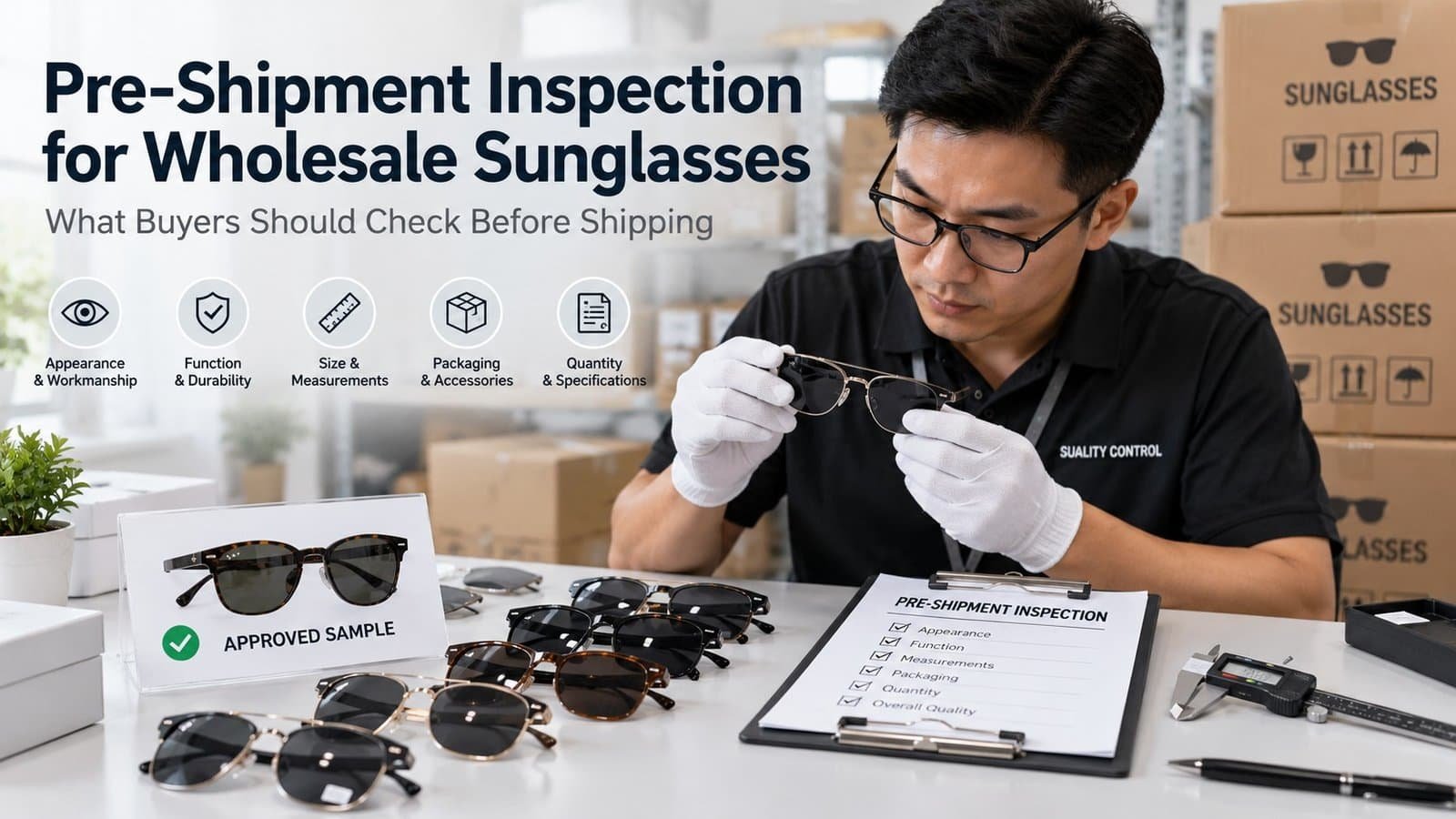
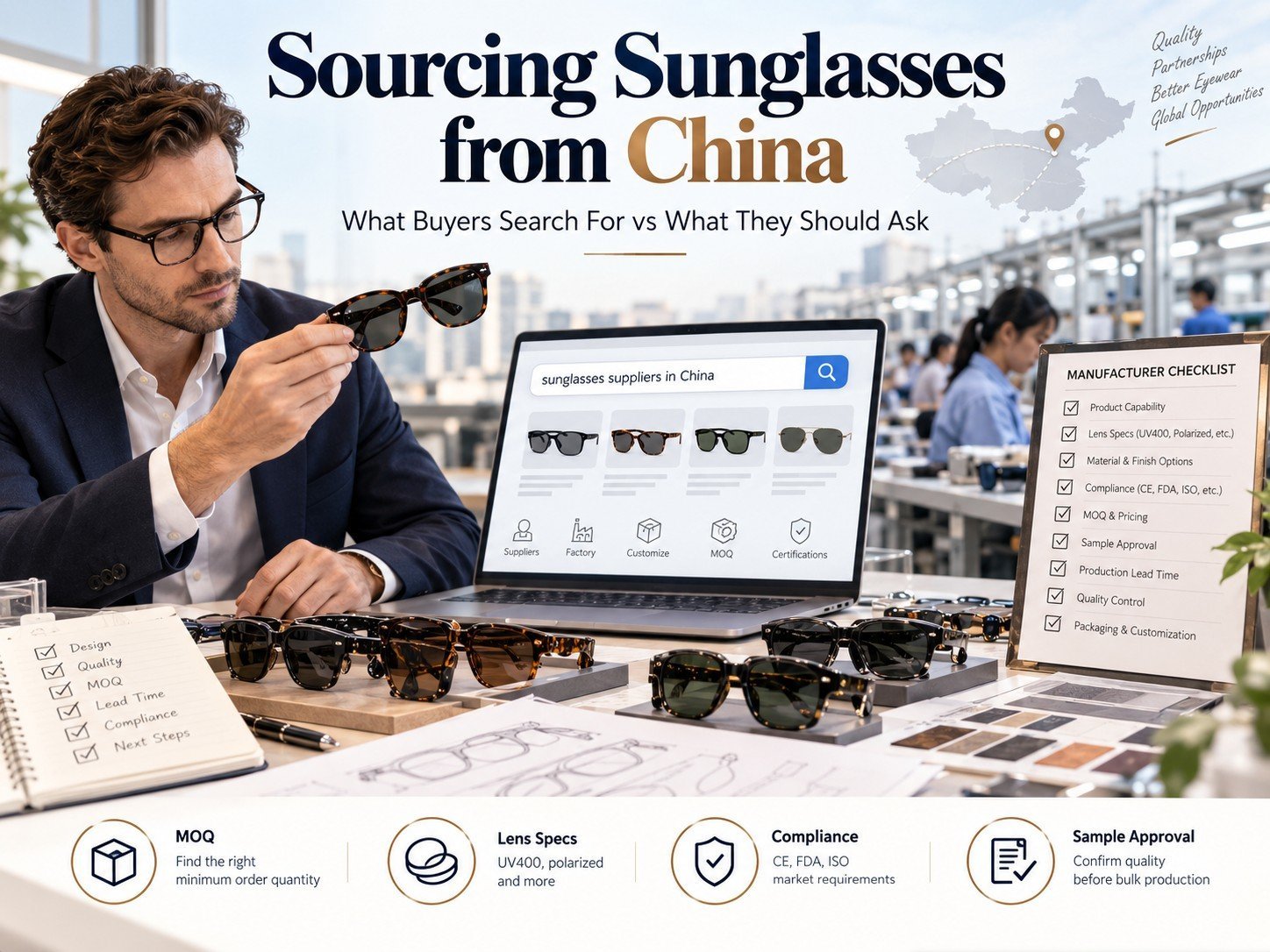
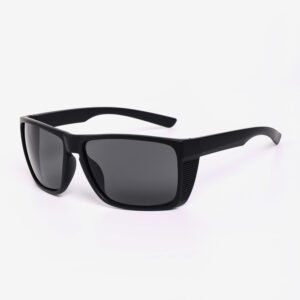
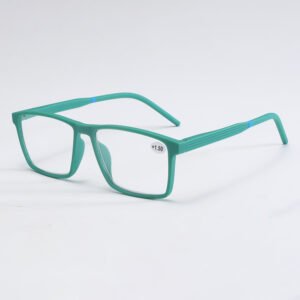
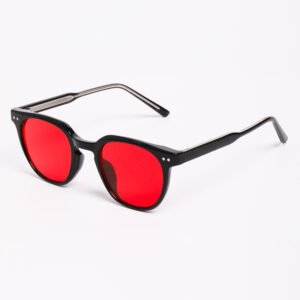
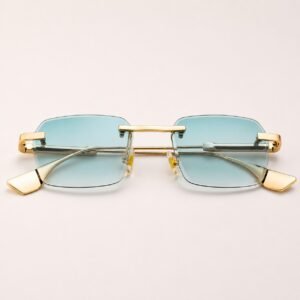
Pre-shipment inspection for wholesale sunglasses should take place after bulk production is substantially complete but before the buyer approves shipment.
Its purpose is not simply to find scratched frames or dirty lenses. A proper PSI verifies whether the finished batch still matches the product that the buyer actually approved: frame construction, lens specifications, dimensions, colors, logos, packaging, labeling and quantity.
This distinction matters.
A single pair may look acceptable on a desk while the batch still contains inconsistent temple alignment, loose hinges, incorrect lens colors or mixed packaging labels. Once the goods have been shipped internationally, correcting those problems becomes much more expensive.
The safest sequence is:
Approved sample → confirmed specifications → bulk production → pre-shipment inspection → corrective action if required → shipment approval
The inspection therefore acts as the final commercial checkpoint between manufacturing and logistics.
Start With the Approved Sample and Purchase Specifications
Never begin a sunglasses inspection with the question:
“Does this pair look good?”
Begin with:
“Does this pair match what we approved?”
The approved pre-production or golden sample should be the primary physical reference whenever possible. It should be supported by the purchase order, specification sheet, approved artwork, color references, lens requirements and packaging instructions.
For an OEM sunglasses order, the inspection reference may include:
| Inspection Item | What to Compare Against |
|---|---|
| Frame shape | Approved sample or technical drawing |
| Frame color | Approved color sample, Pantone reference or physical swatch |
| Lens color | Approved sample and lens specification |
| Dimensions | Technical drawing |
| Logo | Approved artwork and placement |
| Hinge/component | Confirmed construction |
| Packaging | Approved packaging sample |
| Barcode/SKU | Final buyer data |
| Quantity | Purchase order |
| Lens function | Confirmed specification or test requirement |
This prevents subjective inspection decisions.
For example, two acetate frames may both have attractive polishing, but if bulk production has a noticeably different color depth from the approved sample, the issue is specification consistency rather than whether the inspector personally likes the color.
The same principle applies to polarized lenses, gradient tints, logo positioning and metal plating.
A good PSI measures conformity. It does not redesign the product at the shipping stage.

Check Frame Balance and Alignment First
Frame alignment is one of the fastest ways to identify assembly or adjustment problems in bulk sunglasses.
Place the sunglasses on a flat surface with the temples opened. Check whether the frame sits naturally instead of rocking or twisting. Compare the left and right temple position, bridge level and overall front alignment.
Then inspect the sunglasses from the front and top.
Look for:
One lens sitting visibly higher than the other
Uneven temple opening angles
Twisted frame fronts
Asymmetrical endpieces
One temple tip sitting noticeably higher
Frames that rock excessively on a flat surface
Obvious left-right distortion
For acetate sunglasses, small adjustments may sometimes be corrected by controlled heating and alignment. That does not mean large batch-level deviations should automatically be accepted.
If many inspected pieces show the same imbalance, the issue may come from assembly fixtures, hinge positioning, polishing deformation or final adjustment procedures.
That changes the problem from an isolated defect into a production-process issue.

Check Hinges, Temples and Frame Components
Next, move from appearance to function.
Open and close both temples several times. Resistance should feel reasonably consistent from one side to the other, without abnormal looseness, excessive stiffness or grinding.
Check screws and hinge components carefully.
A hinge that feels slightly loose during inspection can become a customer complaint after repeated retail use.
For each sampled pair, verify:
Hinge Operation
The temples should open and close smoothly without excessive lateral movement.
Screw Condition
Check for missing screws, partially tightened screws, damaged screw heads or incorrect hardware.
Temple Assembly
Look for cracks around hinge areas, poorly fitted metal cores, exposed sharp edges or obvious left-right differences.
Decorative Components
Metal logos, rivets, trims and other attachments should be correctly positioned and securely fixed.
The important question is not merely whether the sunglasses survive several opening cycles during PSI.
The inspector should determine whether the assembly quality is reasonably consistent across the sampled lot.

Check Lens Installation and Lens Quality
Lens inspection deserves more attention than simply wiping the surface and looking for scratches.
During visual PSI, buyers should first verify installation.
The lens should sit securely inside the frame without excessive gaps, obvious stress marks or incorrect positioning.
Check for:
Scratches
Surface marks
Chips
Bubbles or visible inclusions
Uneven tint
Incorrect gradient direction
Lens-to-lens color mismatch
Poor fitting around the eyewire
Visible distortion
Loose lenses
For polarized sunglasses, also confirm that the ordered lens is actually polarized rather than relying only on lens color.
For UV400, photochromic or other performance claims, visual inspection alone is not enough. Appropriate test equipment or laboratory documentation should be used when the specification requires measurable performance.
Visual PSI and compliance testing serve different purposes. One should not be used as a substitute for the other.

Inspect Frame Color, Finish and Cosmetic Defects
Once function has been checked, inspect cosmetic consistency under stable lighting.
This is especially important for acetate, painted metal, plated frames and custom-color plastic sunglasses.
Buyers should compare multiple units side by side rather than examining each pair in isolation.
Why?
Because shade variation becomes much easier to detect when ten pieces from the same SKU are compared together.
Look for inconsistent:
Frame color
Pattern distribution where controlled
Surface gloss
Polishing
Metal plating
Paint coverage
Edge finishing
Printing
Visible glue
Scratches or dents
The acceptance rule should reflect the approved product specification.
Natural pattern variation in certain acetate sheets, for example, should not automatically be classified as a defect if variation is inherent in the approved material. A wrong frame color, however, is not “natural variation.”
This is why the approved sample must remain the inspection reference.
Verify Logos, Branding and Custom Details
Branding errors are among the most frustrating defects in a private-label order because the sunglasses may be physically usable while still being commercially unsellable.
Imagine receiving 1,000 otherwise perfect sunglasses with the logo positioned 5 mm too far forward on the temple.
Functionally, nothing is wrong.
Commercially, the batch may fail the buyer’s brand standard.
During PSI, verify:
| Branding Detail | Inspection Point |
|---|---|
| Temple logo | Position, size, orientation and color |
| Lens logo | Location, clarity and permanence |
| Inner temple printing | Text, font, spacing and spelling |
| Metal logo | Position and attachment |
| Model information | Correct SKU/model |
| Packaging logo | Artwork version and placement |
| Barcode | Correct SKU and readable code |
Compare printing directly with the final approved artwork.
Pay particular attention to similar model numbers, color codes and left/right logo placement. These are simple mistakes that can create expensive sorting or rework after production.
For private-label eyewear, branding should be inspected as a product specification, not as decoration.

Check Dimensions and Batch Consistency
Inspectors should also measure selected units against the approved technical specifications.
Depending on the design, relevant measurements can include:
Lens width
Lens height
Bridge width
Overall frame width
Temple length
Do not measure only one “perfect” unit provided by the production team.
Measurements should come from randomly selected pieces.
The objective is to determine whether manufacturing variation remains within the tolerance agreed between buyer and supplier.
This matters particularly when one frame will later support prescription lens fitting, tightly specified packaging, interchangeable components or consistent retail sizing.
Consistency across the batch is more valuable than finding one perfectly dimensioned pair.
Inspect Packaging, Labels and Quantity Before Shipping
A sunglasses order is not finished when the sunglasses are finished.
Retail packaging errors can stop an otherwise acceptable shipment from being distributed.
Check the entire packing sequence:
Sunglasses → polybag/pouch → case → retail box → inner carton → master carton
Confirm that the correct accessories are included and that packaging matches the approved configuration.
Inspect:
Cleaning cloth
Pouch or case
Barcode
SKU/color label
Country-of-origin marking where applicable
Carton marks
Carton quantity
Carton condition
Total packed quantity
Randomly open cartons rather than inspecting only cartons placed conveniently near the inspection area.
One common B2B failure is not poor sunglasses quality but SKU mixing.
If black and tortoiseshell versions use nearly identical packaging, an incorrect barcode or color sticker can create inventory problems at the buyer’s warehouse even though the sunglasses themselves are perfect.

How Should Buyers Sample Sunglasses During PSI?
Checking only a few pieces selected by the factory does not provide meaningful information about the entire shipment.
A structured sampling plan is safer.
The exact sampling plan should be agreed before inspection because sample size and acceptance criteria depend on factors such as lot size, inspection level and the selected plan.
More importantly, samples must be reasonably representative of the shipment.
If an order contains four colors packed in 20 cartons, do not inspect only one color from the first two cartons.
Spread the sample across:
different cartons + different colors + different production sections + different SKUs
That distinction should be understood before the buyer approves the inspection standard.
What Happens If the Inspection Finds Problems?
A failed PSI should not automatically trigger either extreme:
“Ship everything anyway.” or “Reject the entire order immediately.”
First classify the problem.
Is It Isolated or Systematic?
One scratched lens may be isolated.
The same incorrect lens tint appearing across several cartons suggests a systematic problem.
Can the Defect Be Reworked?
Loose screws may be re-tightened.
Incorrect printed logos may require component replacement or complete rework.
Should the Corrected Goods Be Re-Inspected?
For meaningful batch-level defects, yes.
Do not approve shipment based only on photographs showing several corrected pieces.
The supplier should complete corrective action first, separate affected goods where necessary and then conduct re-inspection on the corrected lot.
The commercial rule is simple:
Fix the root problem before the cartons enter international freight.
Rework performed at the factory is almost always easier than sorting the same defect after customs clearance and warehouse delivery.
Practical Pre-Shipment Inspection Checklist for Sunglasses Buyers
Before authorizing shipment, confirm these ten areas:
Bulk product matches the approved sample and purchase specification.
Frame fronts and temples are balanced and correctly aligned.
Hinges, screws and components operate properly.
Lenses are correctly fitted and free from unacceptable defects.
Lens type, color and required functions match the order.
Frame color, finish and surface quality are consistent.
Logos, model information and private-label details match approved artwork.
Product dimensions remain within agreed tolerances.
Packaging, barcodes, SKU labels and carton markings are correct.
Sample results meet the inspection acceptance criteria agreed before production.
Only after these points are verified should the shipment move to final approval.
Conclusion: Approve Shipment Only After Product, Balance and Packaging Are Verified
A useful pre-shipment inspection for wholesale sunglasses goes far beyond asking whether the frames have visible scratches.
The real question is:
Does this production lot match the sunglasses, specifications and commercial details we approved before mass production?
That requires checking frame alignment, hinge assembly, lens fitting, surface finish, dimensions, logos, packaging, labeling and batch consistency against clear references.
For OEM and private-label projects, this final checkpoint is especially important. A 2 mm logo error, mixed barcode or repeated frame imbalance can turn a technically usable product into inventory that a brand cannot comfortably sell.
At LUBA Eyewear, buyers can define inspection requirements together with the product specification before bulk production begins. For custom projects, we can align the approved sample, artwork, lens configuration and packaging requirements so that the final shipment has a clear inspection reference rather than relying on subjective judgment.
Planning your next wholesale sunglasses order?
Send us your target frame, quantity, lens requirements, logo artwork, packaging specification and destination market. We can help you build the product specification and inspection checkpoints before production starts—when quality problems are still inexpensive to prevent.
Contact us for OEM/ODM sunglasses, private-label options and wholesale pricing before locking your next production schedule.